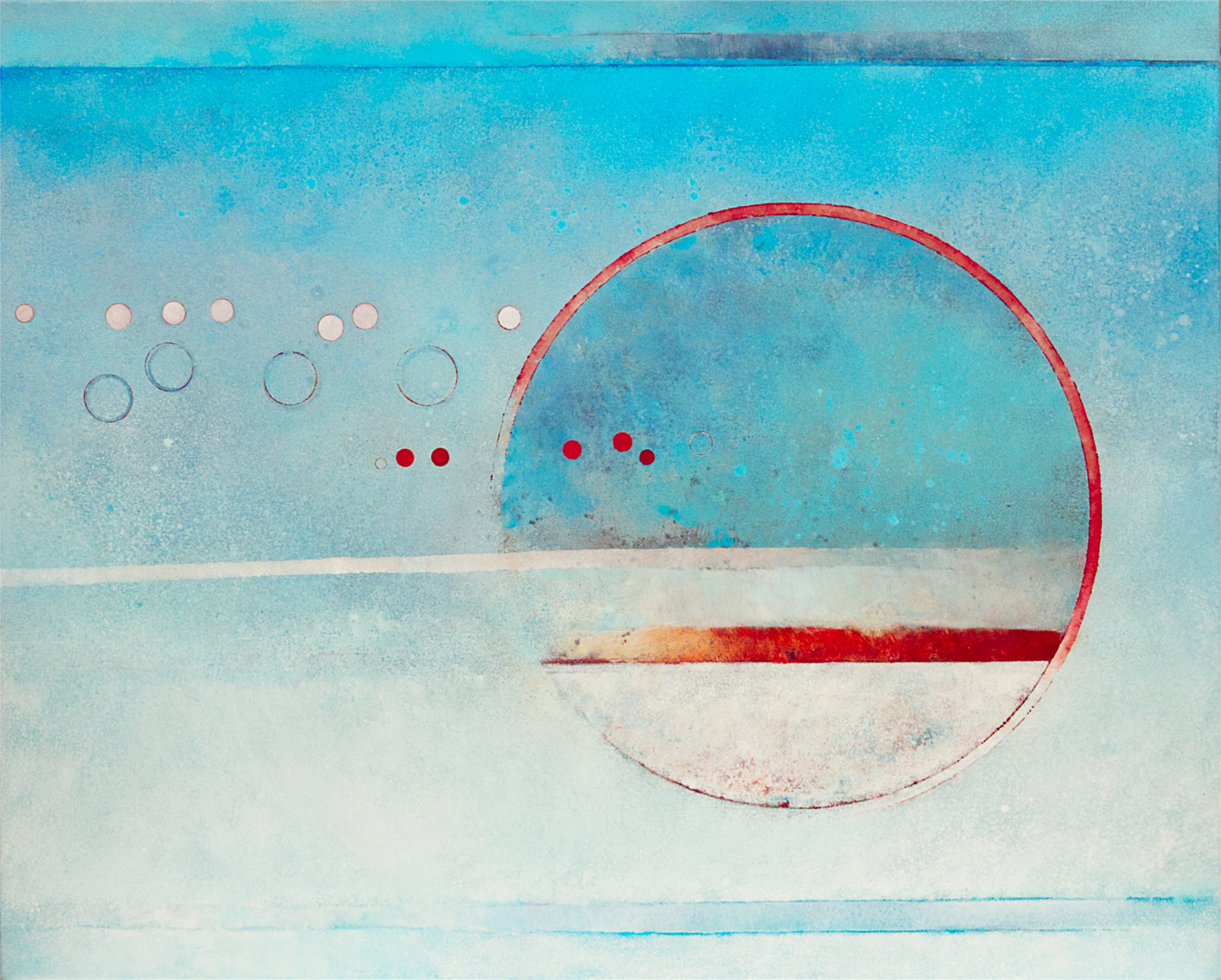
30th October – 28th November 2026
Preview: Friday 30th October 17:30 onwards, all welcome!
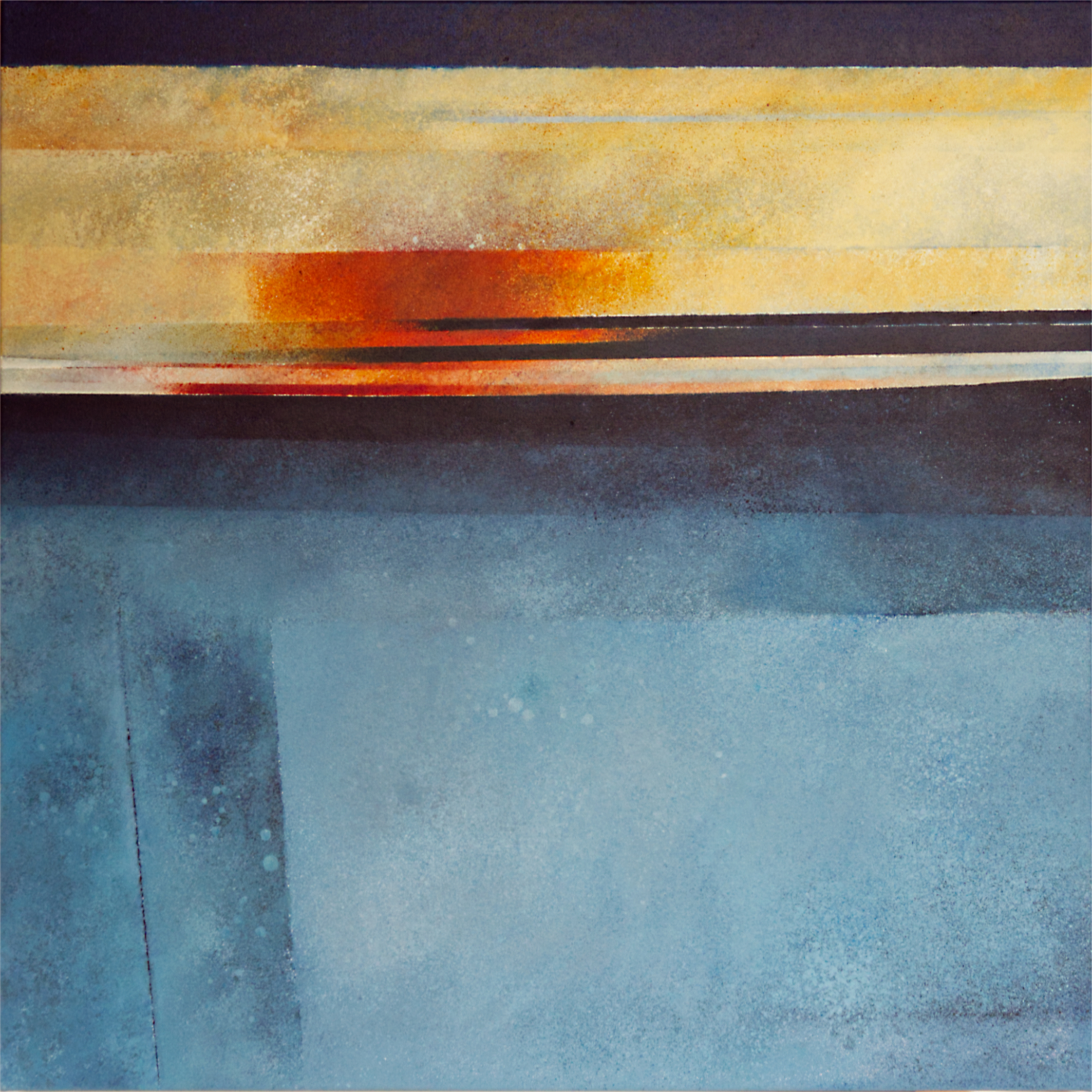
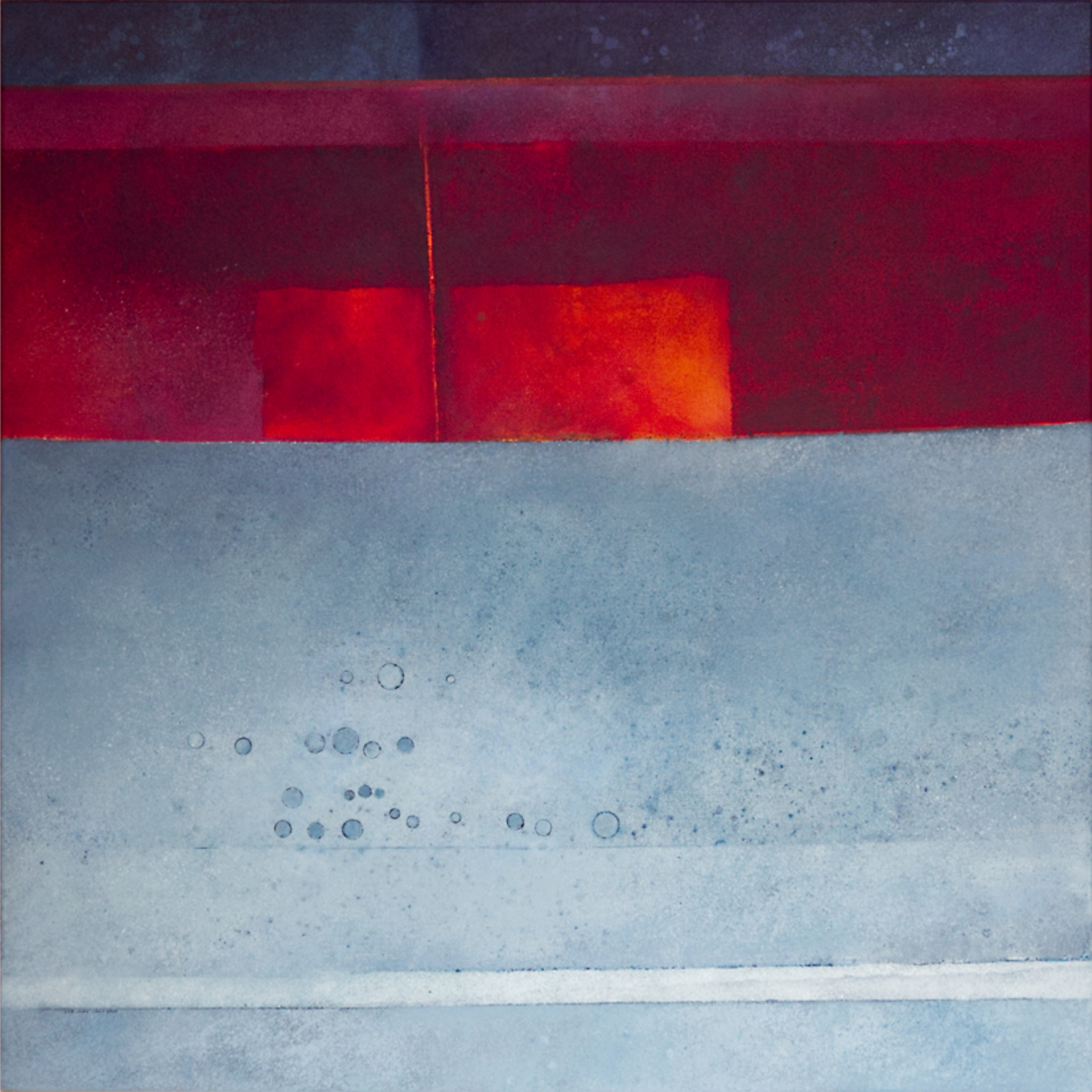
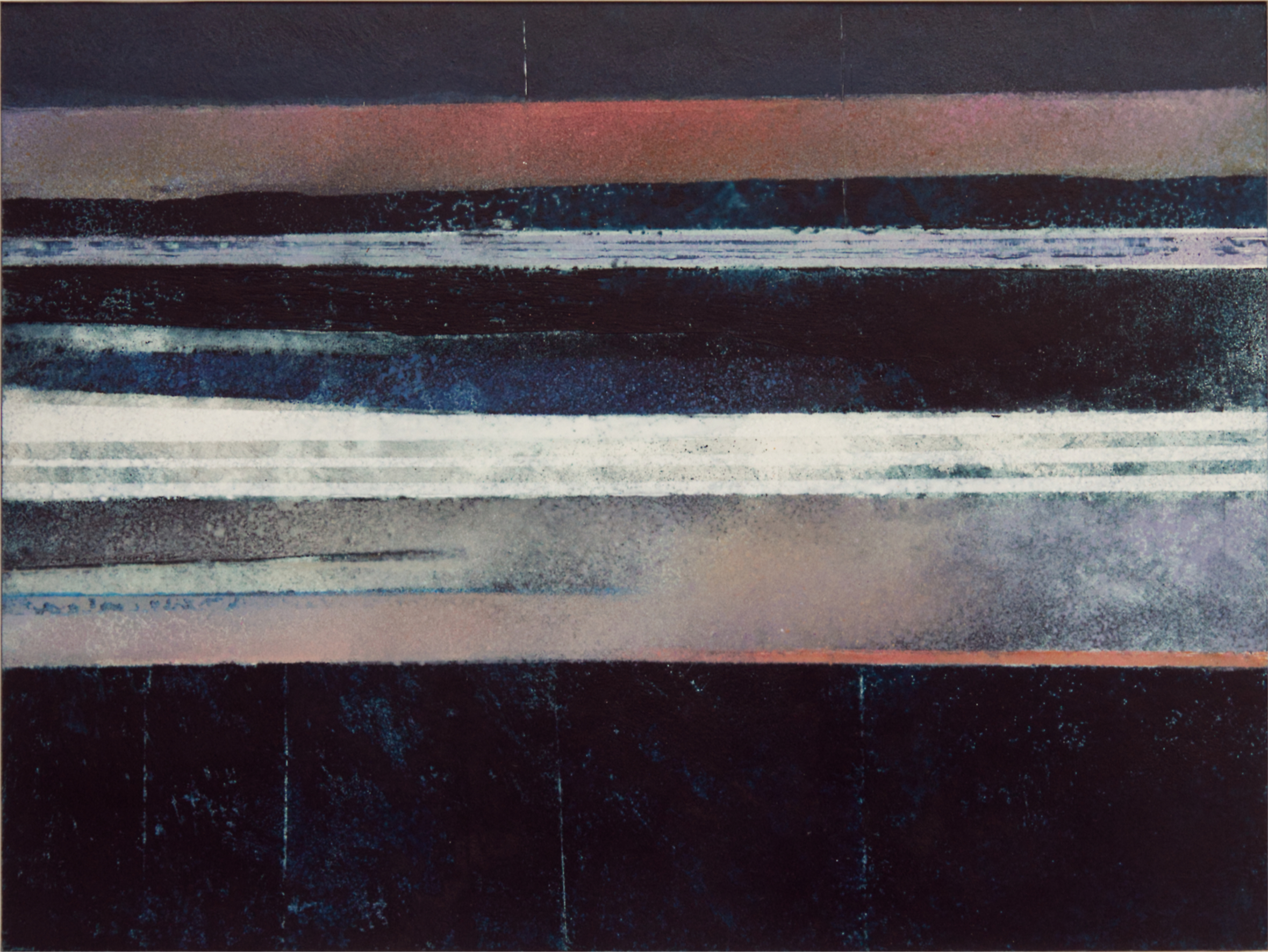
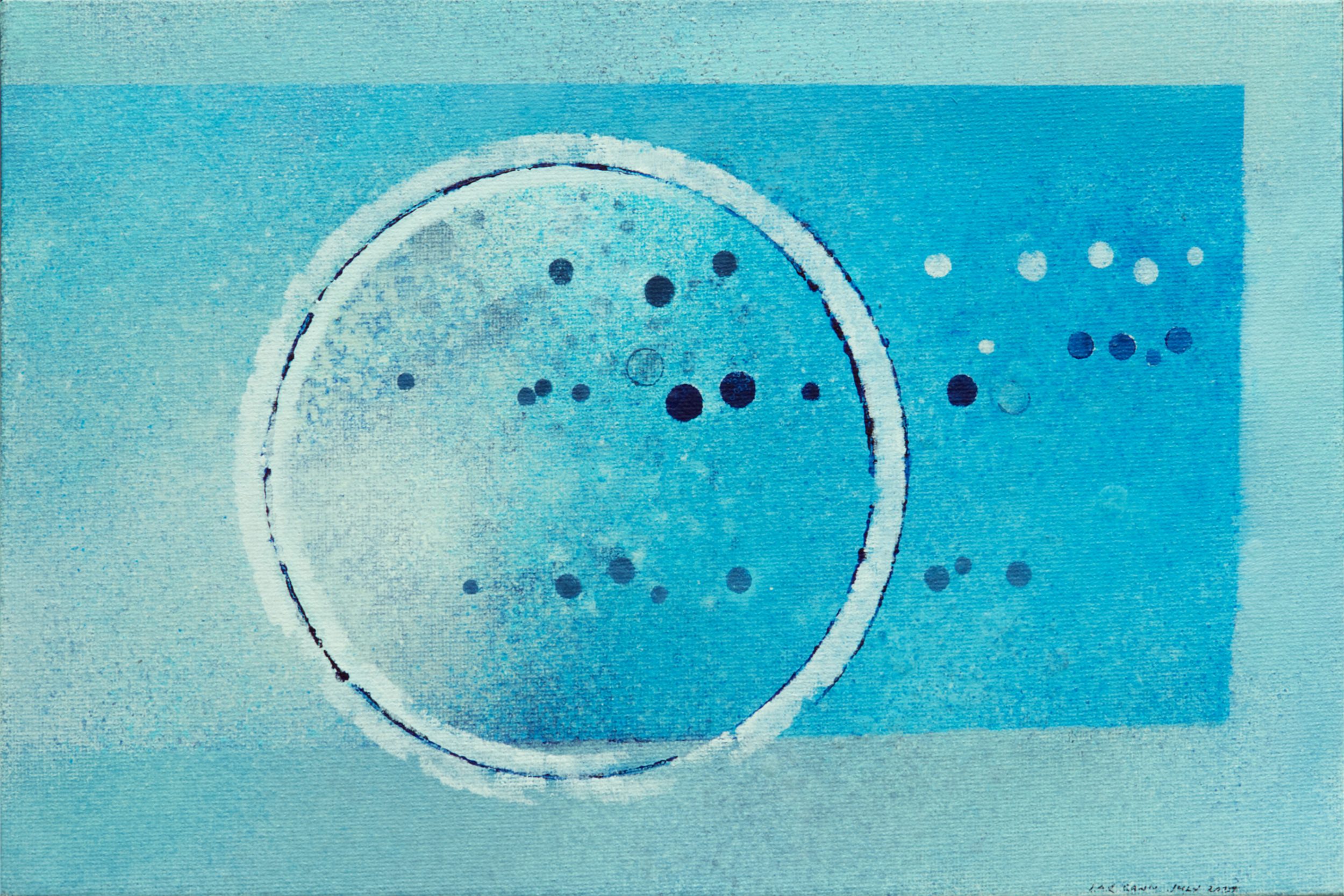
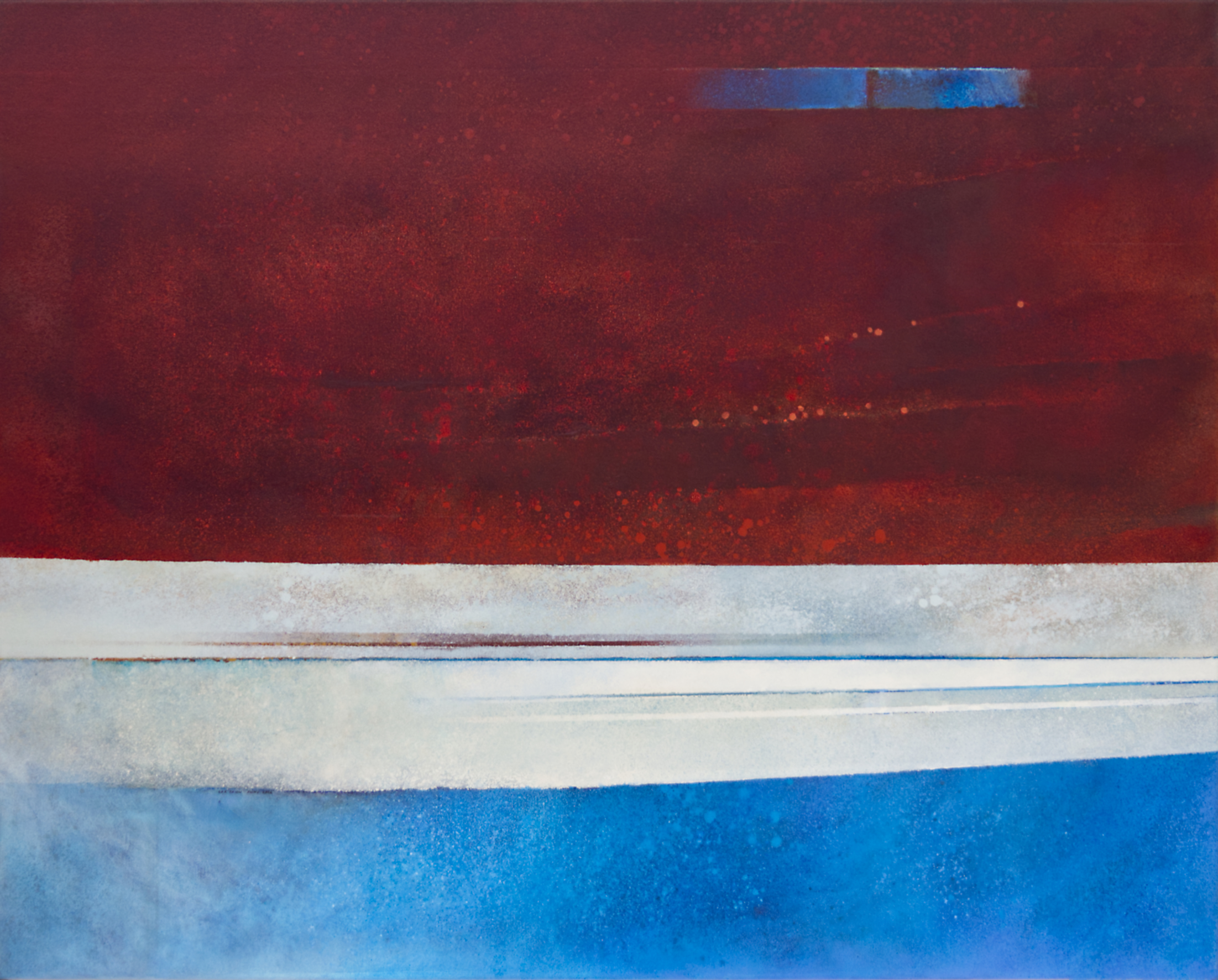
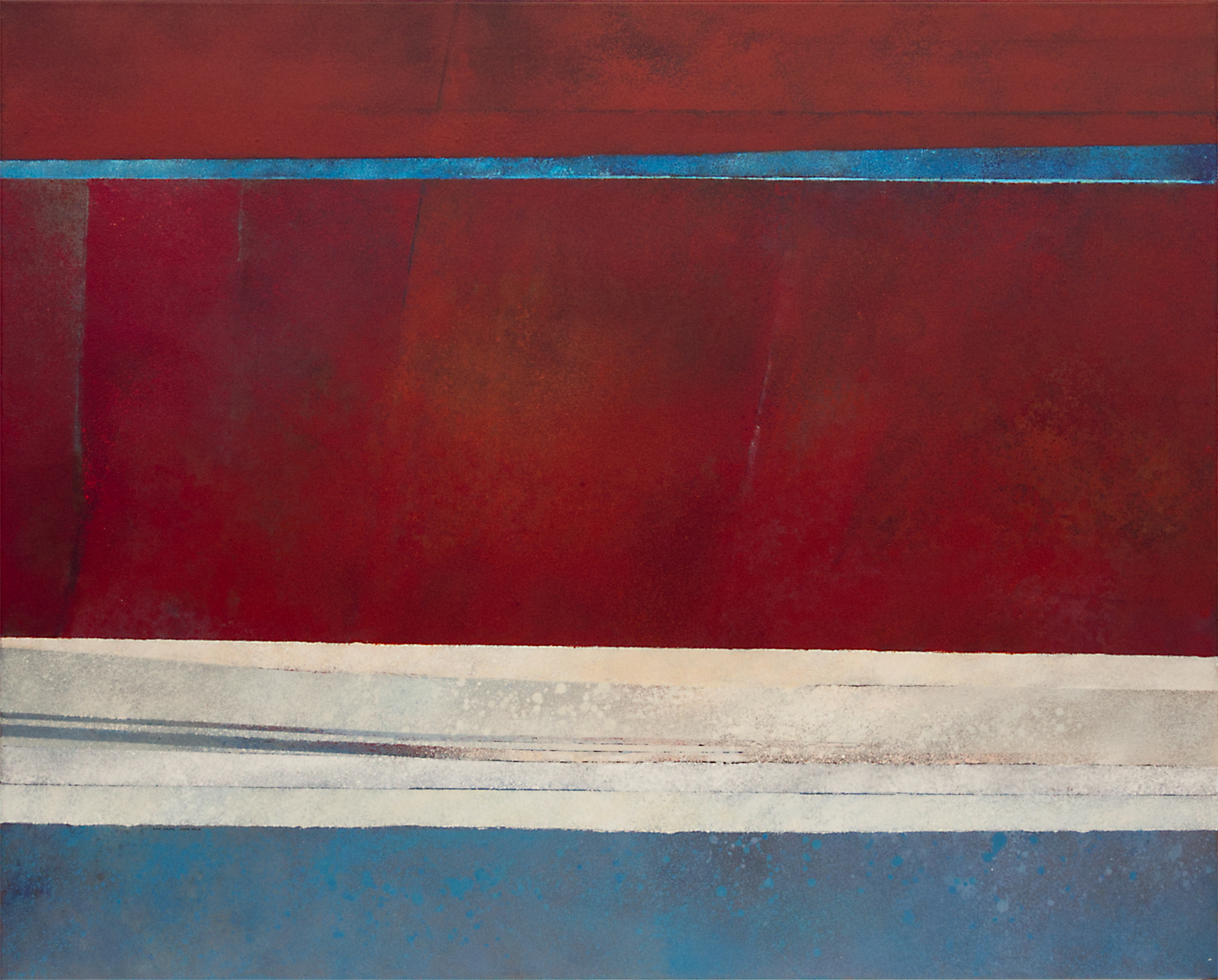
Beneath Cornish Feet
In his book Colour and Meaning: Art, Science and Symbolism, the academic John Gage commented, “We are increasingly aware that painters are not necessarily privileged spectators of their own works; and when they turn to words they may in fact be rather less able than other categories of writers to articulate their thoughts about the notoriously opaque world of visual sensation.”
Just so, but the stimulus can be identified for what has been an absorbing engagement for the past number of years.
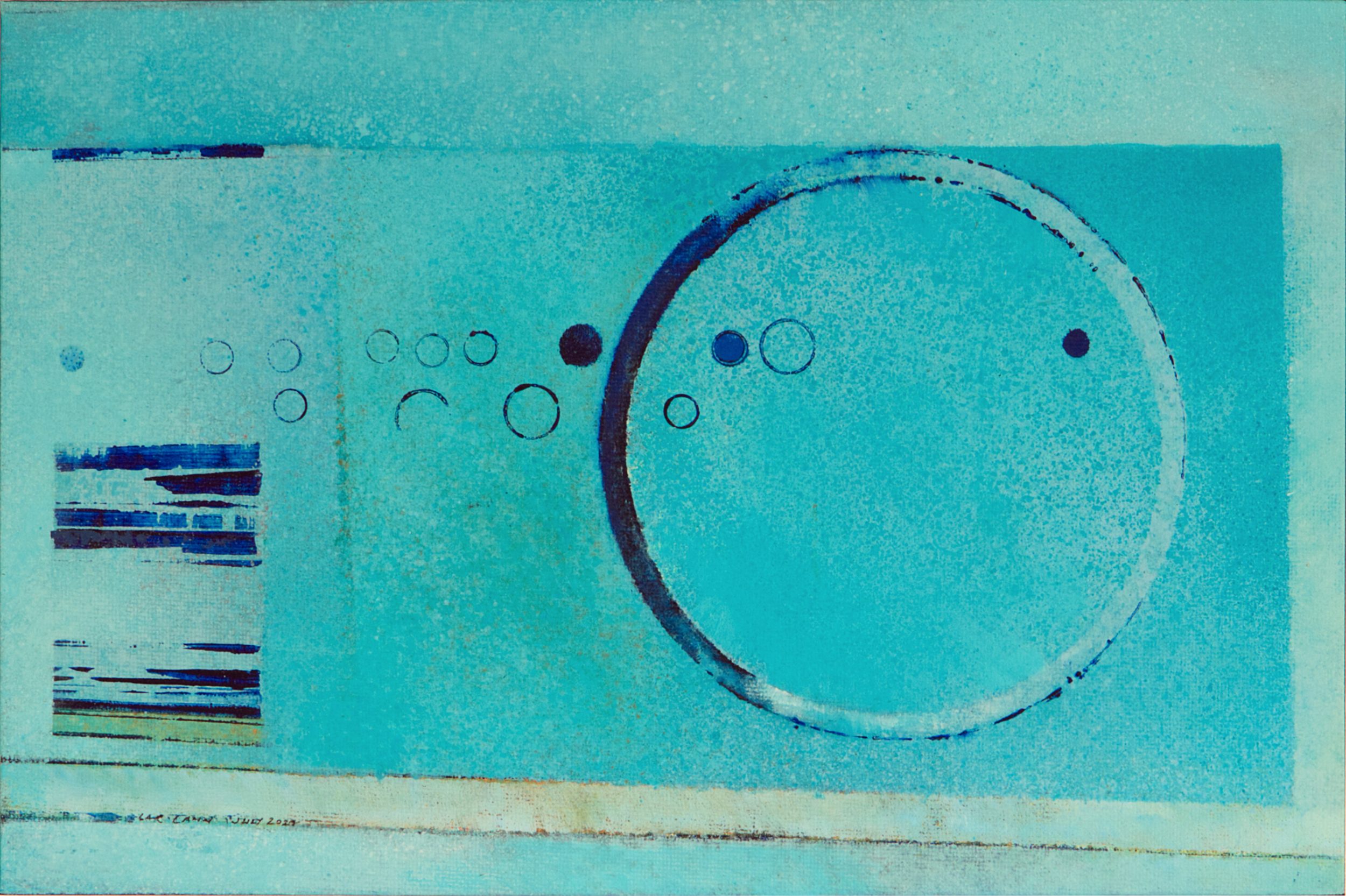
From the theme-title it would be reasonable to assume these images reflect on aspects of Cornwall’s considerable mining and quarrying heritage and, to some extent, this would carry weight. But there is also a more specific reference at work here. The ‘feet’ are those of Dr Jörn Cann, Cornish born and a consultant haematologist who maintained a passion for collecting minerals that began well before embarking on any medical training. It was an abiding passion that had taken him to many places around the globe in pursuit of this enthusiasm, though much of the collecting was indeed within the county.
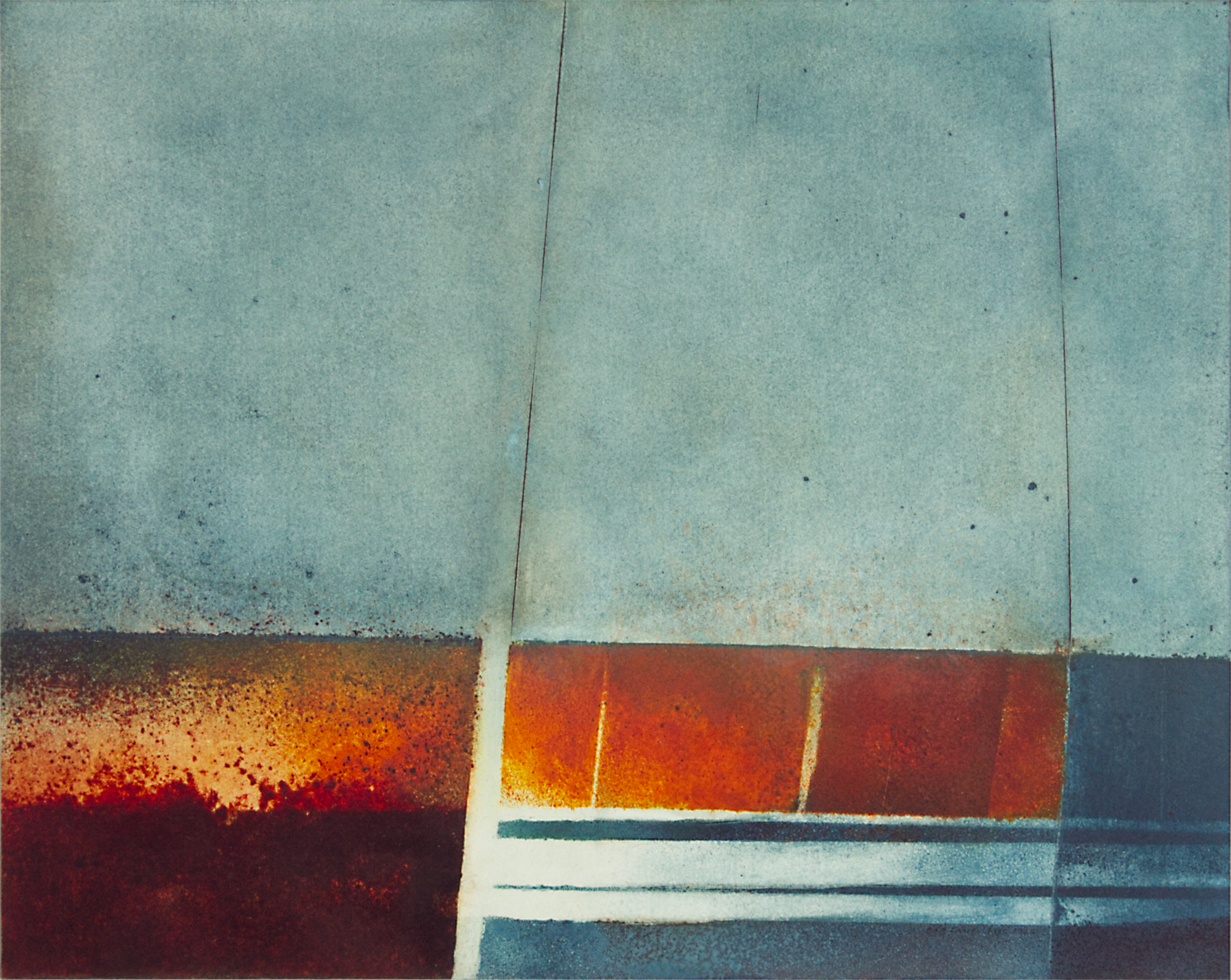
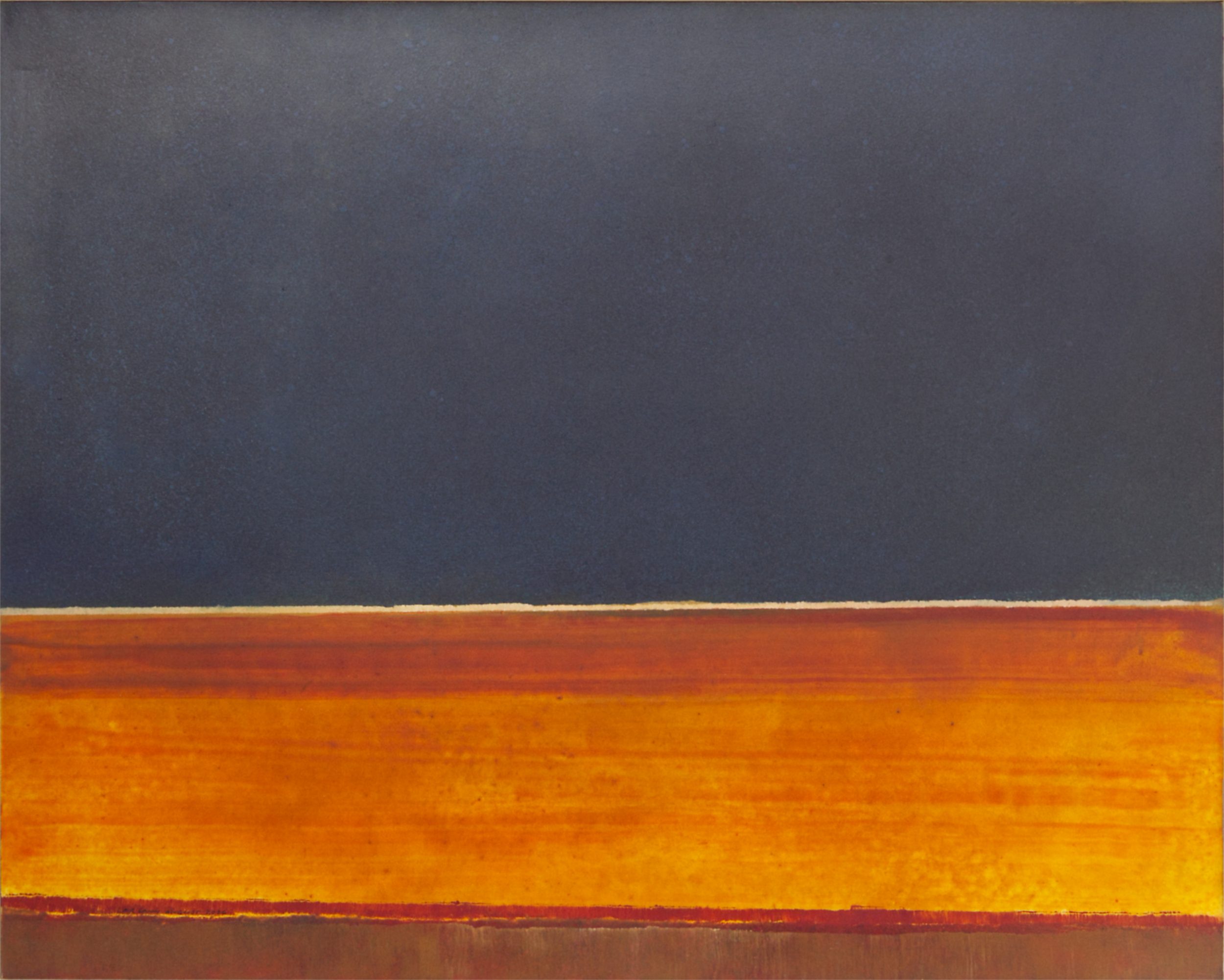
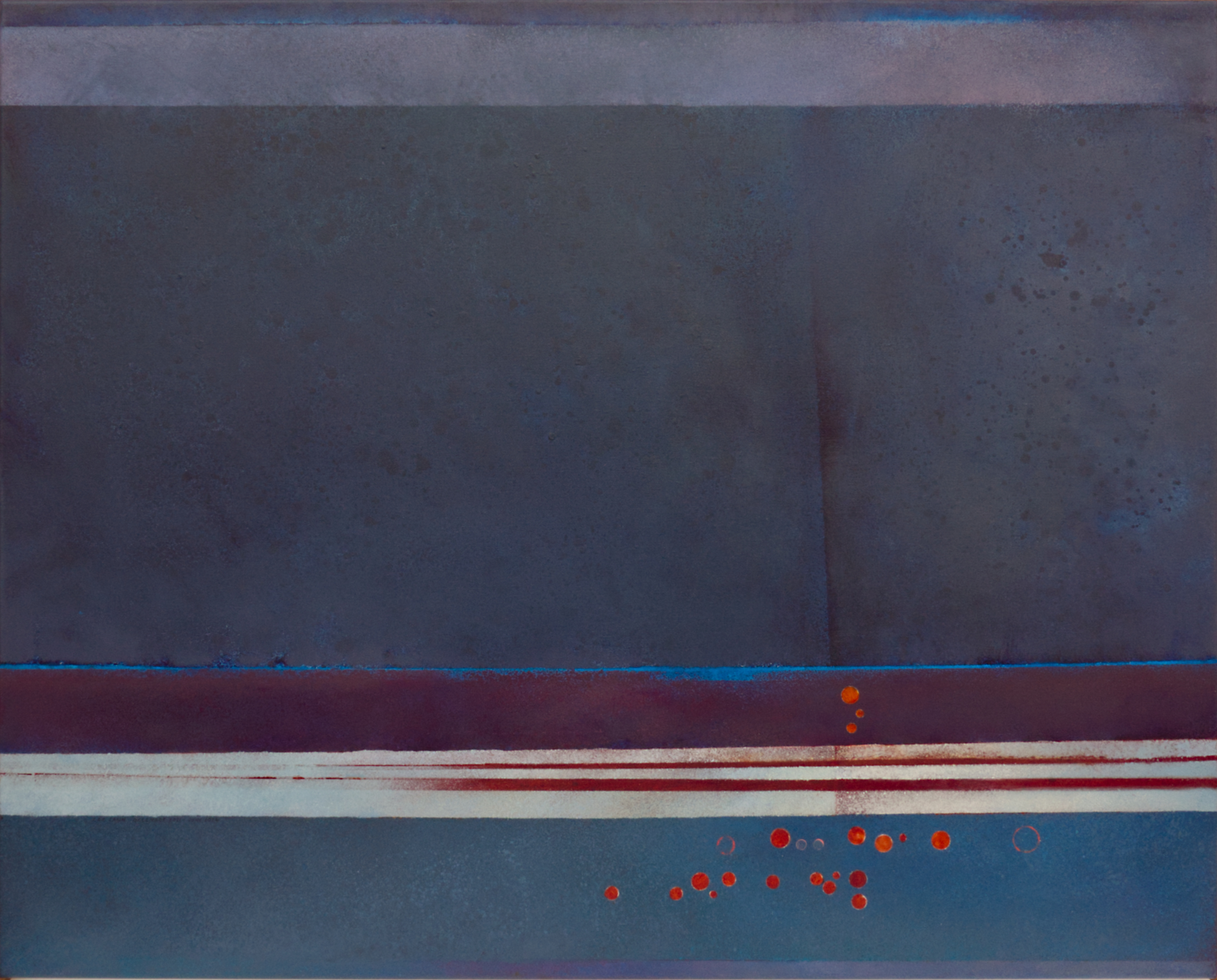
Inheritance of that collection, in both spirit and substance, is the fundamental basis for these paintings, that and a cross-referencing with quarrying. The influence is one of mineral based colour and rock-face geometry.
The fringes of Bodmin Moor, in particular to the north-west and the south-east, are areas long associated with mineral-ore mining and hard-rock quarrying. These activities have influenced the physical appearance of a landscape already unique in character, with granite tors weathered and eroded by the passage of geological time and the ice ages. It is an ancient landscape, carrying the scars of industry.
The granite from the moor, as with the five other principal bosses of the peninsula, has satisfied local requirement as a building material for well over 5000 years, but it was the period around the second half of the C19th that saw the greatest enterprise in the quest for dimensional stone.
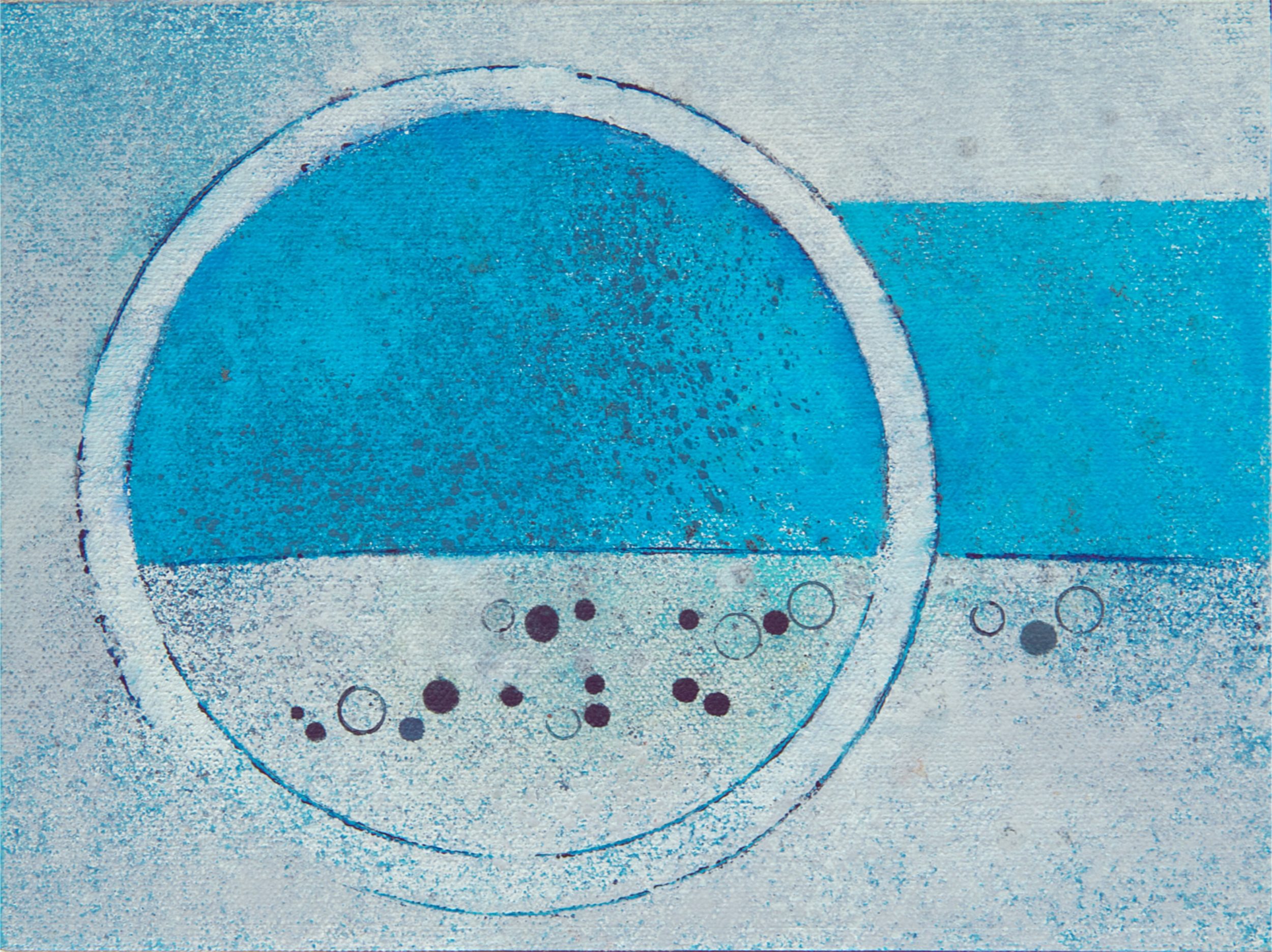
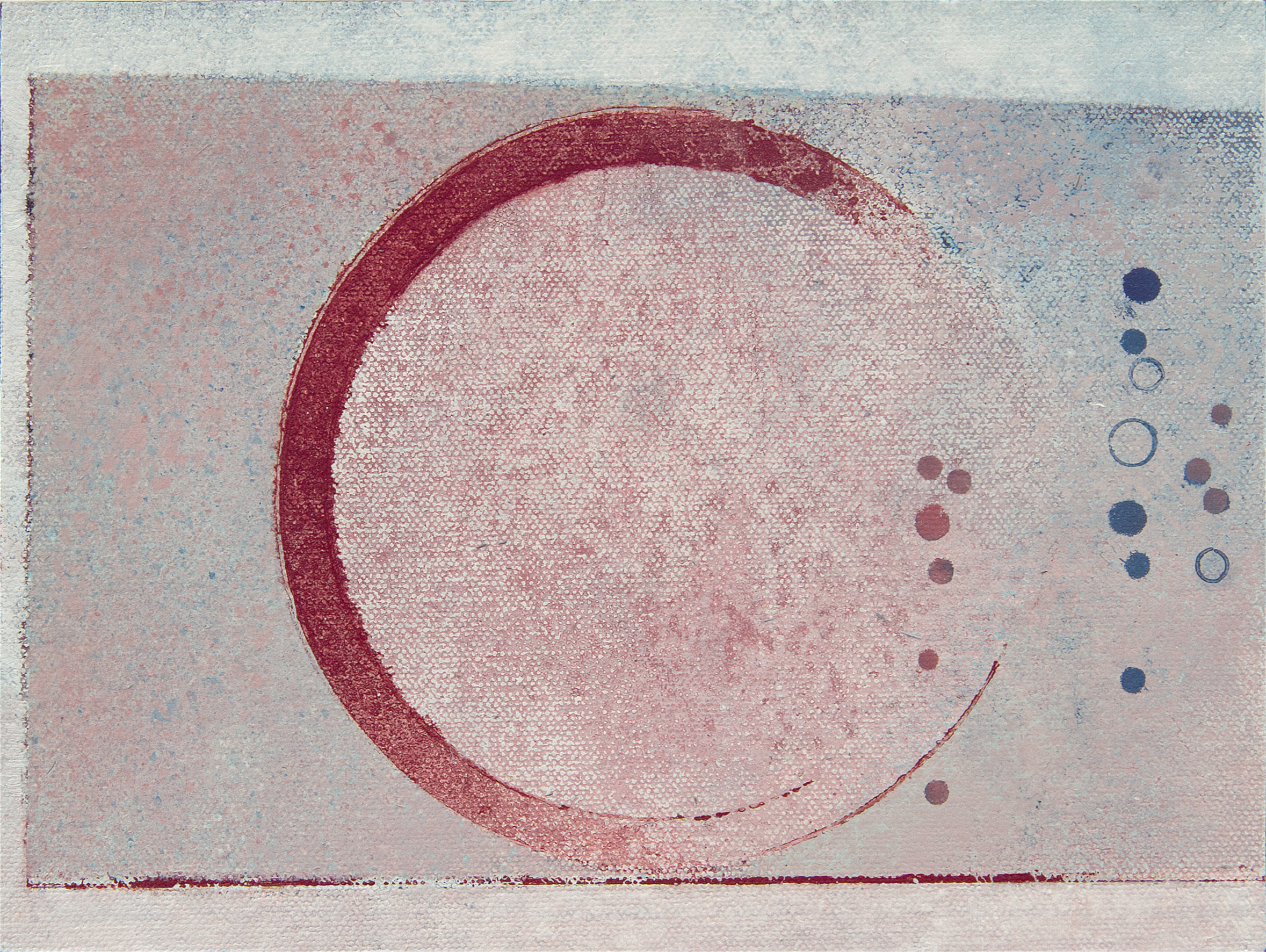
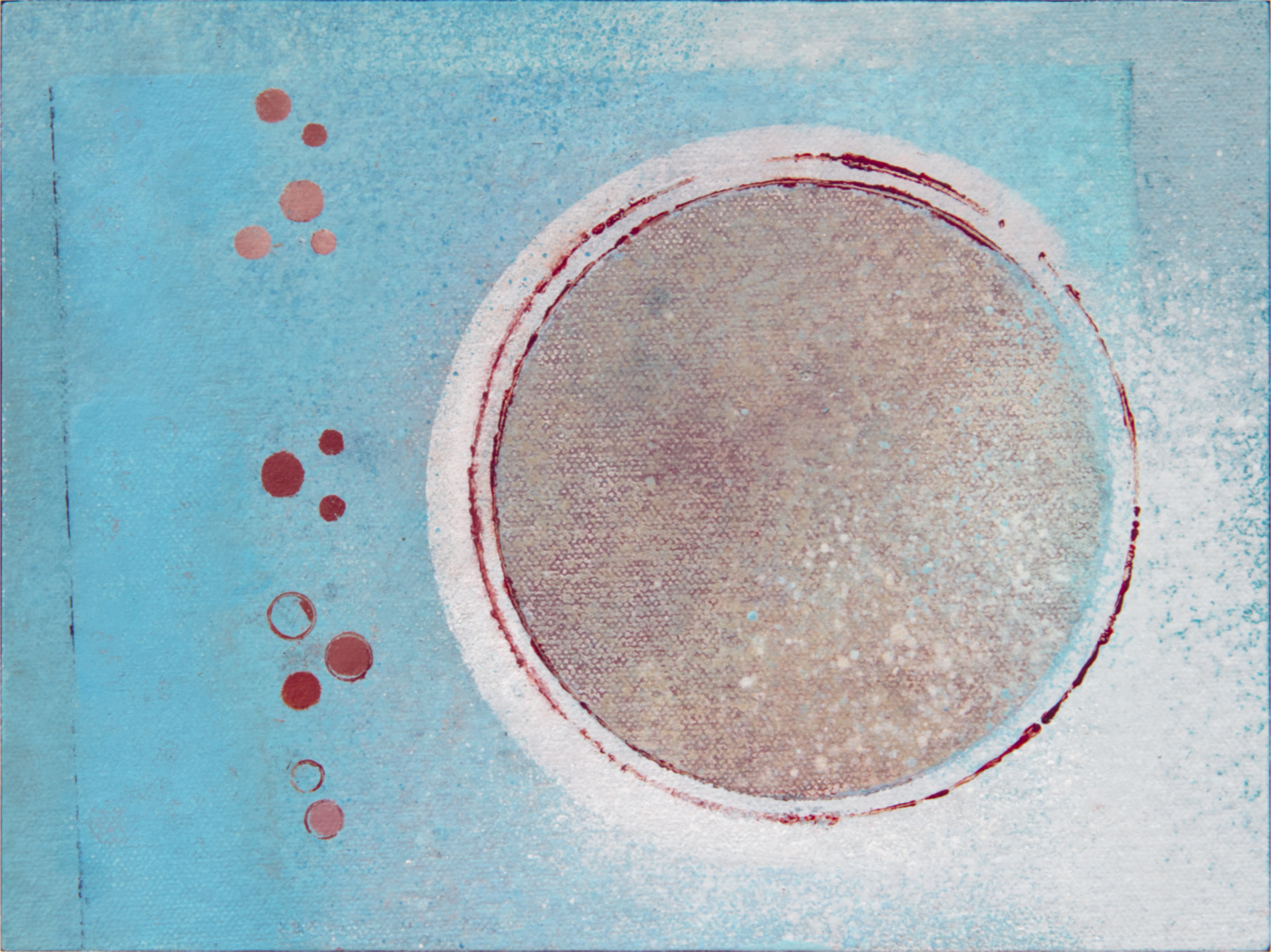
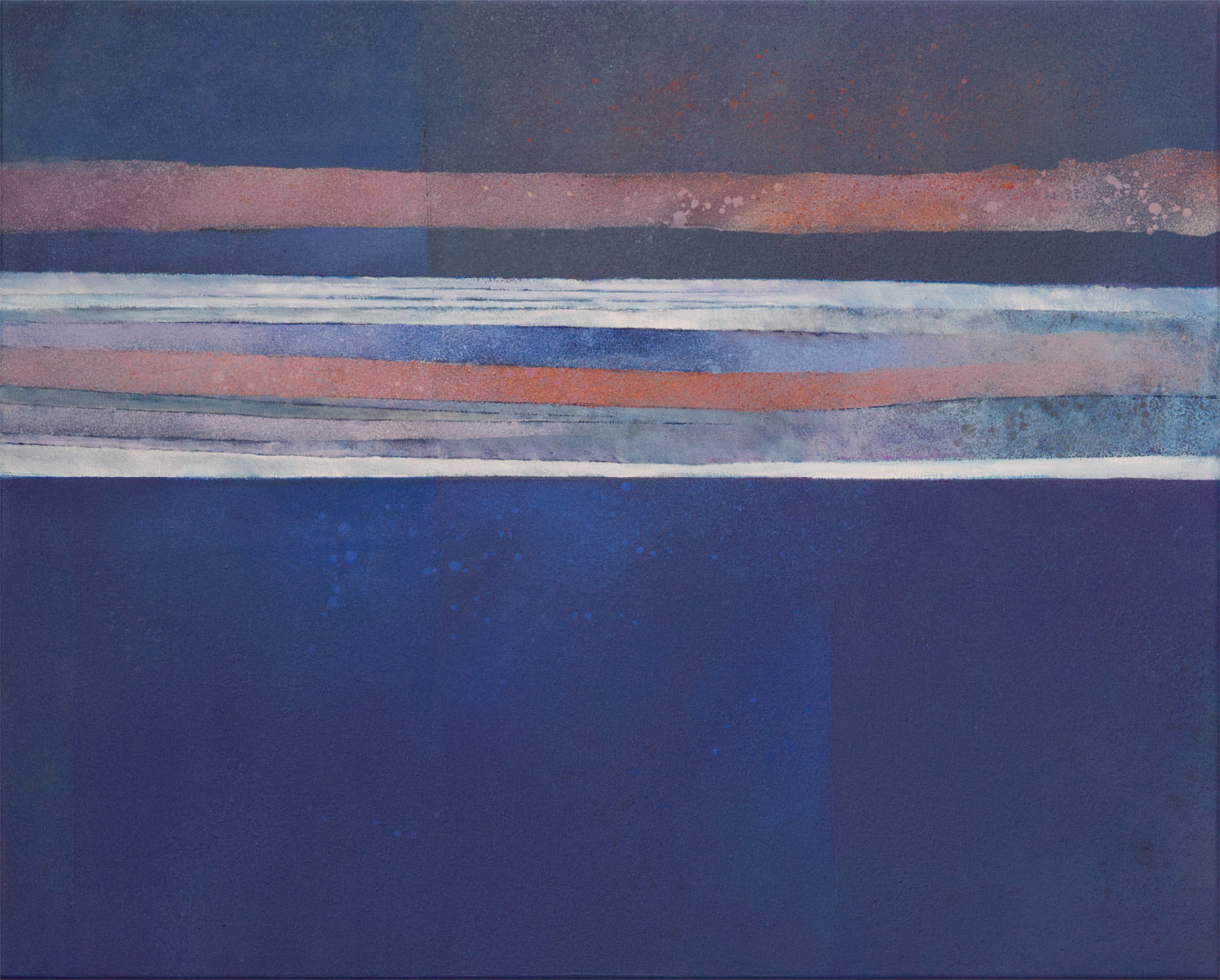
The quarries, now mostly fallen into disuse and often filled with water, provide, in part, the visual stimulus for this series of works. The massive blocks cut from the quarry face leave behind characteristic sheer walls, crossed by fault lines that form a powerful geometric imagery with an endless variety of surface texture. These shapes are frequently reflected in the water surface and in themselves constantly altered by the action of the wind and changing light conditions.
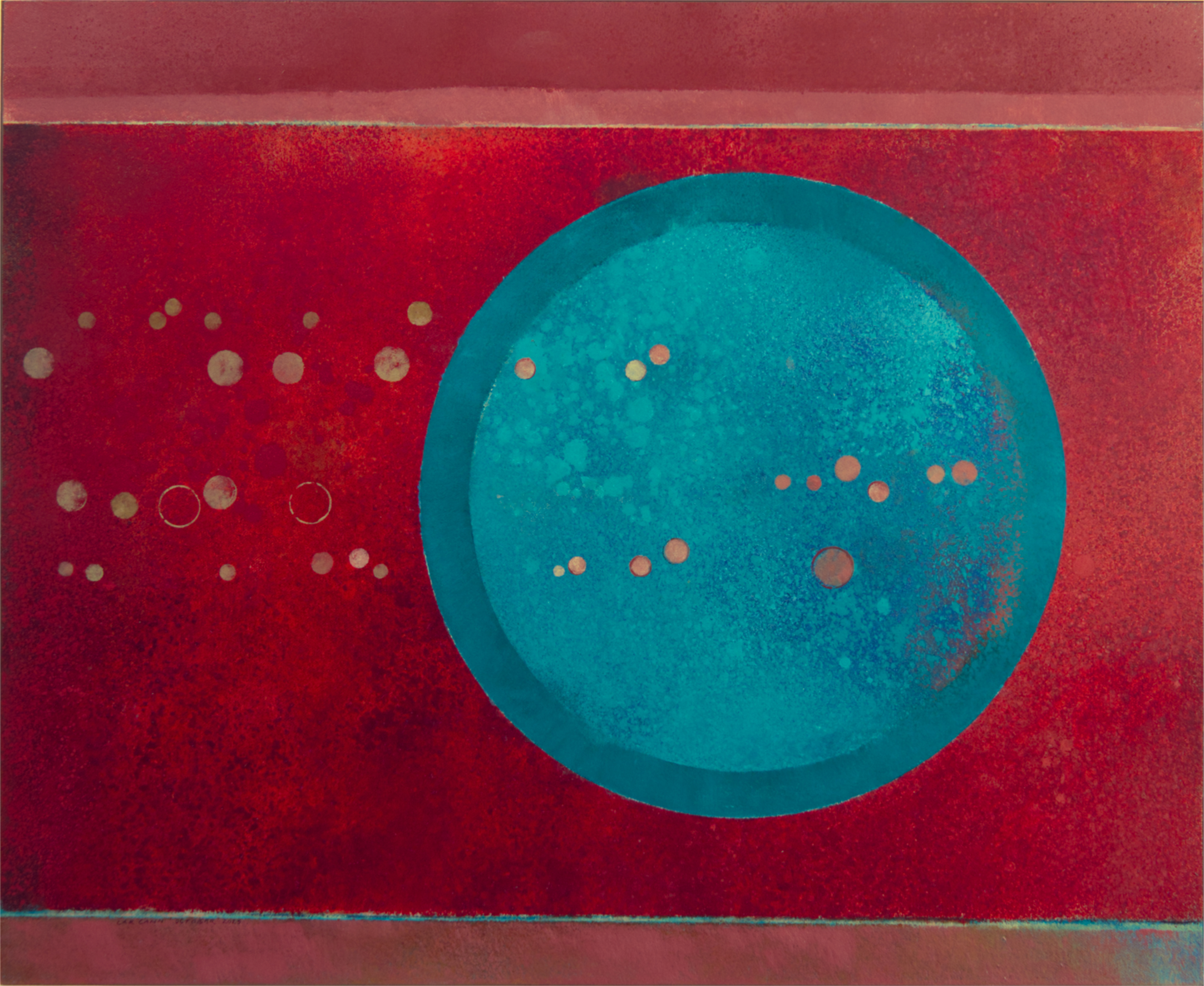
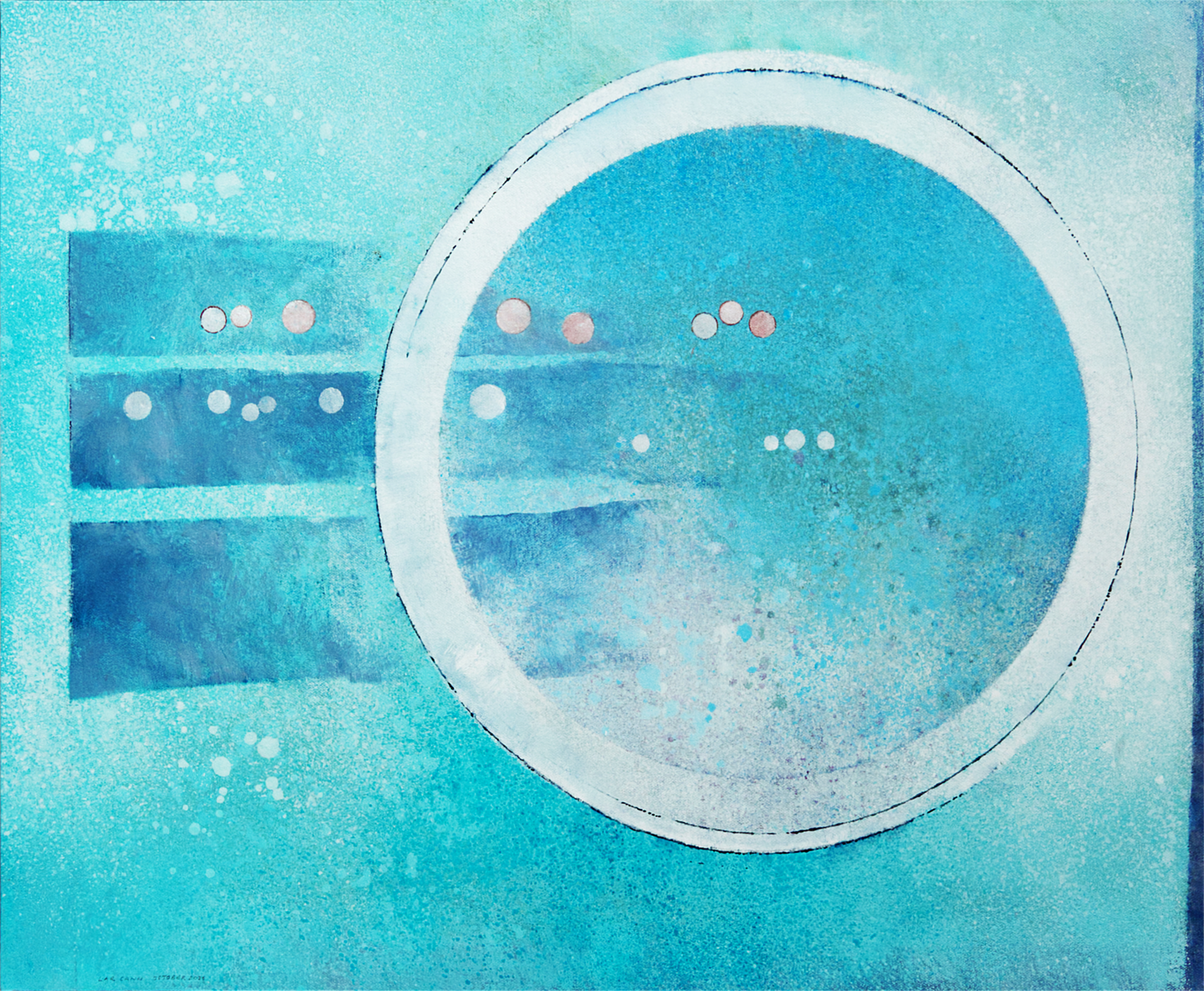
The horizontal joints (of the tors) follow the contours of the landform in a manner similar to the layers of an onion. It is intended this knowledge of three-dimensional form translates as the flat picture-plane, though deliberately without reference to scale. The circular device used in the compositions is in response to drill marks left by the plug-and-feather method of quarrying and the deeper thermal lance holes that may be seen in some faces. This technique was used to both dress the moorstones, the boulders or clitters, left after the ice ages, as well as taking virgin stone from the quarry face and following the secondary cutting.
It finds a subjective parallel in the circular motifs of an oft-used mineral wavellite, frequently found in iron-stained sedimentary slate, locally referred to as killas. It is a much valued referencing influence. However, for the most part the colour has evolved from a different rationale. The use of multi-layered glazes is intended to replicate the matrix of feldspar, quartz and mica, very frequently stained by other minerals in the softer stone. These are heightened in the picture-making process by the colour of several secondary copper-related minerals. There are others, but the most frequent of these being azurite, malachite, chrysoccola, turquoise, atacamite and olivenite. Two notable exceptions are the manganese-related rhodonite and erythrite, often referred to as cobalt bloom.
Or colour is used simply for its own sake.